
Canadian lentils are among the most preferred pulses in global markets. Known for their consistent quality, high nutritional content, and versatility in cooking, Canadian lentils have earned a reputation as a premium choice for both retailers and bulk buyers. This article provides an in-depth comparison between Canadian lentils and Australian lentils, examining cultivation, nutritional benefits, quality, pricing, export trends, and global market relevance. By the end, readers will understand why Canadian lentils are often the preferred option in international markets.
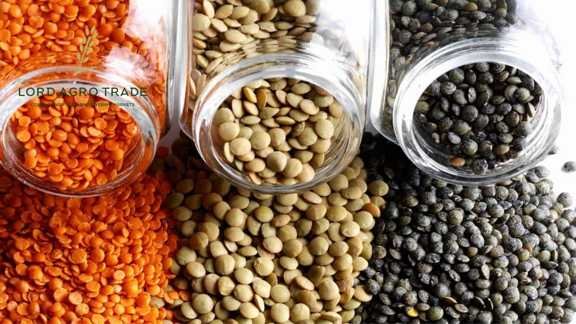
Canadian lentils are primarily grown in Saskatchewan and Alberta, where fertile soil and favorable climate conditions contribute to exceptional quality. The main varieties include red lentils, green lentils, and yellow lentils. Red lentils are highly popular for their quick-cooking properties, smooth texture, and versatility in soups, stews, and Indian dishes.
Canadian lentils are known for their uniform size, bright color, minimal foreign matter, and reliable consistency. Regulatory oversight ensures high standards, making Canadian pulses a preferred choice for bulk buyers and exporters. Many global food companies depend on Canadian lentils to meet international quality standards.
The cultivation of Canadian pulses began in the early 20th century. Introduced in the prairie provinces, lentil farming has evolved through advanced breeding programs that focus on yield, disease resistance, and seed quality. Over decades, Canada has emerged as one of the world’s leading lentil exporters, shipping millions of tons annually.
The growth of Canadian lentils aligns with rising global demand for plant-based proteins. Health-conscious consumers worldwide increasingly incorporate lentils into their diets, which has boosted the prominence of Canadian pulses in international food markets.
Canadian lentils come in several varieties, each with unique properties:
Red Lentils: Ideal for quick-cooking meals, purees, soups, and Indian dishes.
Green Lentils: Firm and nutty, suitable for salads and side dishes.
Yellow Lentils: Mild flavor, versatile in soups and stews.
These varieties make Canadian pulses suitable for both home cooking and large-scale food production.

Australian lentils are primarily cultivated in New South Wales, Victoria, and South Australia. They thrive in a climate with longer growing seasons, producing firm and flavorful lentils. Australian red lentils have a deep, vibrant color and smooth texture, while green varieties are commonly used in salads and various recipes.
Although Australian lentils are of high quality, size variation can occur due to regional rainfall differences. Exporters primarily target Asian and Middle Eastern markets, offering competitive pricing and reliable supply for international buyers.
Both Canadian pulses and Australian lentils are nutrient-rich:
Protein: Canadian lentils generally provide slightly higher protein content, supporting plant-based diets.
Iron and minerals: Both are iron-rich, but Canadian lentils often offer more consistent mineral levels.
Fiber: High in dietary fiber, both varieties support digestive health.
Low fat and cholesterol-free: Canadian lentils are naturally low in fat and contain no cholesterol, contributing to cardiovascular health.
Vitamins: Rich in folate, vitamin B1, and B6, Canadian lentils enhance energy metabolism and overall health.
Canadian lentils benefit from advanced mechanized farming, crop rotation, and minimal pesticide usage. Farmers employ precision agriculture techniques to maximize yield and maintain high quality. Many Canadian pulses are certified organic or non-GMO, increasing their appeal in health-conscious markets.
Australian lentil farming is modern and efficient but may face challenges due to climate variability. Both countries prioritize sustainability, yet Canadian lentils often provide greater traceability from farm to export.
Quality and size differences
Quality is crucial for bulk buyers and distributors. Canadian lentils are recognized for:
Australian lentils, while flavorful, may show size variation, affecting bulk packaging and cooking consistency. This difference makes Canadian lentils the preferred option for industrial food processing.

Price comparison
Canadian lentils usually have a slightly higher price due to superior quality, strict export standards, and reliable supply. Australian lentils may offer cost advantages, but buyers must consider potential inconsistencies in size and quality. For bulk orders and large-scale distribution, Canadian lentils are often the safer investment.
Canadian lentils dominate global pulse markets, with exports to Asia, the Middle East, and Europe. Reliable supply chains, high-quality standards, and favorable trade agreements solidify their international reputation.
Australian lentils also have a strong export presence, primarily in nearby Asian markets. However, Canadian lentils maintain a broader international distribution network, making them the first choice for large-scale buyers.
Uses in cooking and cuisine
Both Canadian lentils and Australian lentils are versatile in cooking:
Canadian Lentils: Suitable for soups, stews, curries, salads, and lentil-based snacks. Quick cooking and consistent texture make them ideal for bulk food preparation.
Australian Lentils: Best for firm-textured dishes, salads, and side dishes. Their rich flavor is appreciated in gourmet cooking.
Chefs and home cooks often prefer Canadian lentils for consistency and quality, especially when cooking in large quantities.

Environmental and sustainability factors
Sustainable farming practices are increasingly important. Canadian lentils are grown using crop rotation and precision farming to improve soil health and reduce chemical usage. Water-efficient irrigation and eco-friendly practices minimize environmental impact.
Australian lentils are also sustainably produced, though rainfall variability may affect yield and environmental footprint.
Challenges and opportunities
Challenges for Canadian pulses include climate change, market price fluctuations, and competition from other pulse-producing countries. Opportunities exist in expanding organic production, tapping new international markets, and developing value-added products like lentil flour, protein powders, and snacks.
Australian lentils face similar challenges but have opportunities in premium export markets and innovative product lines.
Global demand for plant-based proteins is expected to rise, further boosting the prominence of Canadian pulses. Emerging markets in Asia and Africa will increasingly rely on high-quality lentils, while innovations in lentil-based food products will create new business opportunities.
Investments in sustainable farming and technological improvements in Canada will likely enhance yield and quality, solidifying Canadian lentils’ leading position.
Conclusion
In conclusion, Canadian pulses vs. Australian lentils demonstrate clear differences. Canadian lentils excel in uniformity, nutritional content, reliability, and export readiness. Australian lentils offer excellent flavor and firm texture but may vary in size and appearance. For buyers, retailers, and consumers seeking consistency, quality, and global availability, selecting Canadian pulses is the optimal choice.
When it comes to sourcing premium-quality Canadian pulses, choosing the right supplier is key. Lord Agro Trade stands out as a direct supplier from Canadian farms and a trusted exporter with valuable experience in the global pulse market.
Lord Agro Trade works directly with trusted Canadian producers and processors in Saskatchewan and Alberta. Each shipment is backed by SGS or inspection reports provided by suppliers, ensuring guaranteed quality. Canadian farms and processing facilities handle cleaning, sorting, and packaging under strict Canadian and international standards.
By managing the entire supply chain from the farm to global shipment Lord Agro Trade guarantees consistency, transparency, and reliability for bulk importers, food manufacturers, and distributors worldwide.
Whether you are looking for bulk red lentils, green lentils, Lord Agro Trade provides customizable packaging, competitive pricing, and export documentation that comply with international trade regulations.
With a strong reputation for quality and professionalism, Lord Agro Trade continues to help global buyers access the best Canadian pulses available in the market.
Are you ready to source premium Canadian pulses directly from trusted Canadian farms?
Contact Lord Agro Trade today to get a customized quote, request samples, or discuss wholesale partnership opportunities.