
In the global pulses market, “quality” is often a subjective term thrown around loosely. But for the veteran importer, quality is measurable, specific, and directly tied to the bottom line. It comes down to one critical metric: Consistency.
When you open a container of Kabuli chickpeas, you aren’t just looking for food; you are looking for uniformity that ensures consistent cooking times for canners and visual appeal for retailers. A variance of just 1mm in sizing can disrupt a canning line or force a hummus manufacturer to recalibrate their entire process.
This guide breaks down the international standards for Chickpea size grading and provides the technical specifications you need to procure with confidence.
In the B2B sphere, size grading is not merely about aesthetics; it is about Yield Efficiency.
Our experience shows that buyers who accept “mixed” or “fair average quality” (FAQ) often face hidden costs. A batch with high size variance leads to uneven hydration during soaking. The smaller beans turn to mush while the larger ones remain hard, resulting in waste and consumer complaints.
Reliable suppliers use advanced optical sorting to ensure that a “9mm” shipment is genuinely 9mm, not a blend of 7s and 8s hiding under a premium label.
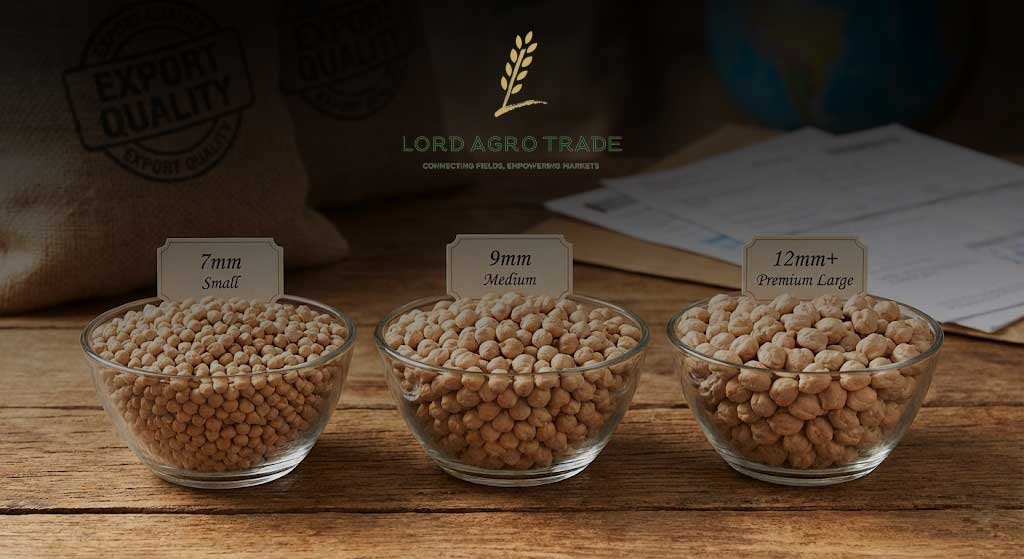
While regional names differ (e.g., “AAA” in some markets vs. “Bold” in others), the international trade language relies on millimeters. Below is the industry-standard breakdown for Kabuli chickpeas.
| Grade / Caliber | Size Specification | Primary End-Use Market | Relative Price Index |
| Super Premium | 12mm+ | Gourmet Retail, Specialty Canning |
$ |
| Premium Large | 10mm – 12mm | Premium Hummus, Salad Bars |
|
| Standard Bold | 8mm – 9mm | General Retail, Canned Goods | $$$ |
| Medium | 7mm – 8mm | Flour Milling, Value Canned Brands | $$ |
| Small | Below 7mm | Animal Feed, Starch Extraction | $ |
Pro Tip: For high-end hummus production, we recommend the 10mm-12mm range. The larger skin-to-meat ratio creates a creamier texture that commands a higher shelf price.

Size is only half the battle. A truly premium shipment must pass rigorous purity tests. When you evaluate Wholesale Prices Of Chickpeas, ensure your quote includes specifications for the following defects.
Limit: Typically <1% for Grade 1.
Processing machinery can be aggressive. High-quality suppliers use gentle handling systems (like belt conveyors instead of screw augers) to minimize hairline cracks that cause beans to disintegrate during boiling.
Limit: <0.5% – 1%.
Uniform cream/beige color is non-negotiable for the Kabuli variety. Green seeds are immature, while dark brown seeds may indicate sun damage or mold.
Limit: <0.25%.
This includes stones, soil, and plant material. Top-tier exporters employ multi-stage cleaning lines involving destoners, magnetic separators, and X-ray sorters to achieve near-perfect purity.
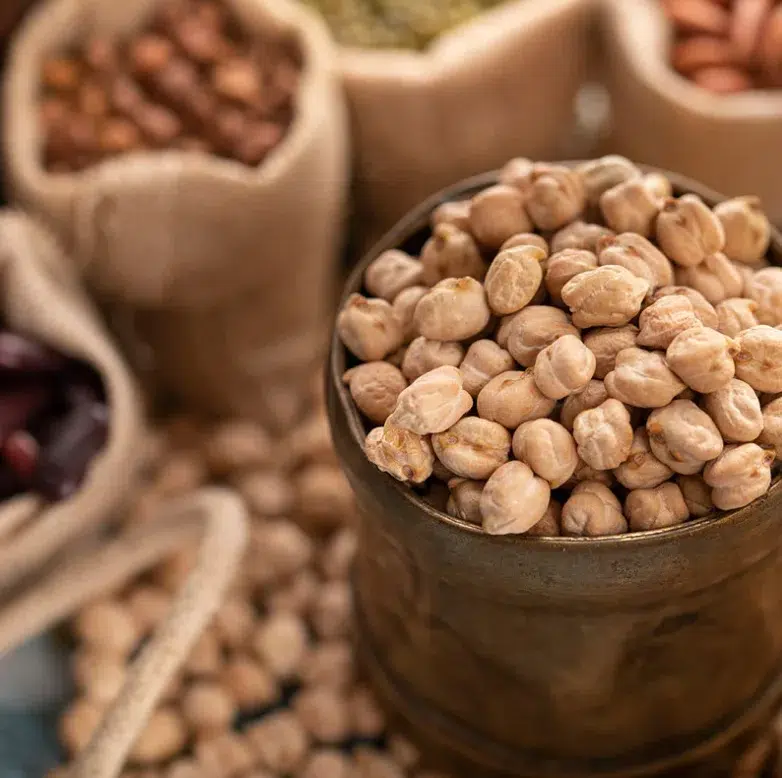
To understand what you are buying, you must understand how it is processed. The journey from farm to export bag involves a sophisticated “logistics of separation.”
In modern facilities, chickpeas are not just screened by size; they are analyzed by Color Sorters. These machines use high-resolution cameras to detect and eject any seed that doesn’t meet the color profile—removing green, black, or stained beans at speeds of thousands of kilograms per hour.
The volatility of the agricultural market often tempts buyers to cut corners on price, but the cost of a rejected container due to poor grading far outweighs the initial savings.
At Lord Agro Trade, we view our role as more than just a supplier; we are your partners in quality assurance. By strictly adhering to international sizing standards and employing rigorous pre-shipment inspections, we ensure that the product you unbox matches the sample you approved.
Typically, the MOQ is one 20-foot container (approx. 24 metric tons). This ensures shipping efficiency and allows for a dedicated production run to meet your specific grading requirements.
Yes. Every shipment is accompanied by a Phytosanitary Certificate issuing from the origin country’s agricultural department, certifying the cargo is free from pests and diseases, alongside a Certificate of Analysis (COA) for grade and moisture.
Absolutely. We offer customizable packaging solutions, from bulk 50kg polypropylene bags to retail-ready consumer packs (1kg, 5kg), complete with your branding and barcodes.
We ensure chickpeas are dried to the optimal 12-14% moisture range before loading. For sea freight crossing different climate zones, we can include desiccant bags in the container to prevent “container rain” and mold growth.
Review our current specifications or contact our trade desk today to discuss your sizing requirements.